A Homeowner’s Checklist for Planning a Full Home Renovation
Estimated reading time: 7 minutes
Planning a full home renovation starts with your budget—Colorado whole-home projects vary widely in cost per square foot, so get quotes early and build in a 15–20% contingency buffer. You’ll need permits for electrical, plumbing, and structural work, and contractor sequencing matters more than most people realize. Don’t forget waste disposal; a TNR 20-yard dumpster rental starts at $359. Get these foundations right, and everything else falls into place naturally—keep going to find out exactly how.
Key Takeaways
- Get contractor quotes early for your Colorado renovation and add a 15-20% contingency buffer for unexpected costs.
- Secure permits for structural, electrical, HVAC, and plumbing work before starting to avoid costly stop-work orders.
- Vet contractors carefully and follow the correct phase sequence: demo, rough mechanical, framing, drywall, then finish work.
- Plan waste disposal early by budgeting for a roll-off dumpster (a TNR dumpster starts at $319) and confirming local placement permits.
- Maintain livability by designating one renovation-free room and installing dust barriers at all active construction entry points.
Setting Your Renovation Budget and Contingency Fund
Before you swing a single hammer, you’ve got to get brutally honest about money. Colorado whole-home renovations vary widely in cost, so get real quotes and make your initial estimates reflect reality, not wishful thinking. Pull together all your funding sources early — savings, loans, home equity. Don’t just budget for today; think about long-term value and what upgrades actually pay off.
Here’s the part most people skip: build in a 15–20% contingency buffer. Material prices shift fast. That cushion isn’t pessimism — it’s smart planning. Your future self will thank you when something unexpected hits. Keep in mind that debris overages are billed at a flat published rate per additional ton, so estimating your waste volume accurately before renting a container can prevent surprise charges from inflating your renovation costs. For full-home renovations involving multiple rooms, debris removal alone can require a 20-yard dumpster to handle the combined construction waste and household junk in a single haul.
Permit Requirements for Home Renovations in Douglas and Arapahoe Counties
Skipping the permit process is one of the biggest mistakes I see homeowners make, and it opens you up to potential fees and fines later. In Douglas and Arapahoe Counties, you’ll need permits before touching structural changes, electrical upgrades, HVAC replacements, or plumbing. Pull them first.
Contractor licensing and inspection schedules keep everything legal and safe. For dumpster placement during your renovation, note that unincorporated Douglas County doesn’t allow dumpsters on public roads, incorporated towns set their own rules, and driveway placement needs no permit. Greenwood Village, as a home-rule city, requires homeowners to confirm right-of-way and placement rules with Public Works before any roll-off dumpster delivery.
| Work Type | Permit Required? |
|---|---|
| Structural Changes | Yes |
| Electrical Upgrades | Yes |
| HVAC Replacement | Yes |
Respect permit timelines. Start late, and you risk stop-work orders that’ll freeze your entire project cold.
Your dumpster. Delivered fast. No surprises on the bill.
Flat-rate pricing from $319. Same-day delivery is often possible across Douglas and Arapahoe Counties.
Book online in under 2 minutes — or call/text and we’ll handle the rest.
Thousands of Front Range homeowners and contractors have trusted TNR Waste Services because we show up when we say we will — and charge exactly what we quoted. Pick your size, choose your date, and get back to your project.
Takes less than 2 minutes. No Credit card required to reserve.
Selecting and Sequencing Your Contractors
Once you’ve got your permits lined up, it’s time to think hard about who’s swinging the hammer — and in what order. Contractor vetting isn’t glamorous, but skipping it costs you. Sequence everything deliberately:
- Demo comes first, always
- Rough mechanical work follows immediately after
- Framing and insulation come next
- Drywall closes everything in
- Finish work wraps the project up
Phase coordination keeps your crew from tripping over each other. Establish communication protocols early — weekly check-ins, written change orders, one point person. Wrong sequencing means rework, and rework means money gone. At each phase transition, plan for a post-phase cleanout to keep the jobsite clear, compliant, and ready for the next crew. When scheduling dumpster delivery for demo debris, ensure your driveway has at least 60 feet of clear length to accommodate roll-off truck access without delays.
Planning Waste Disposal as Part of Your Renovation Budget
With your contractors lined up and your sequencing mapped out, there’s one line item most people forget until a dumpster company’s quoting them mid-demo: waste disposal. A TNR roll-off rental starts at $319, so budget for it and decide early whether you need one container or phased deliveries. Don’t just toss everything, though. Investigate recycling strategies for drywall, metal, and concrete. Check donation opportunities through Habitat for Humanity’s ReStores.
Hazardous materials like old paint or asbestos need separate, certified handling, which costs extra. For kitchen remodels specifically, a 15 or 20-yard dumpster typically handles the volume of old cabinets, torn-up flooring, and drywall debris without requiring multiple swaps. If you’re hauling heavy debris like brick or tile, confirm weight limits with your provider before loading, since exceeding them triggers overage fees that can stall your timeline and inflate your budget. At TNR, clean concrete (concrete only, nothing mixed in) has no weight charge up to the fill line we mark. Getting ahead of this saves real money and keeps your project moving without an ugly, expensive surprise stopping you cold.
Keeping Your Home Livable During Renovation
- Set up a functional temporary kitchen early
- Hang dust barriers at every construction entry point
- Tape visible pedestrian paths through active zones
- Designate one clean, renovation-free room as your sanctuary
- Schedule noisy work during your least disruptive hours
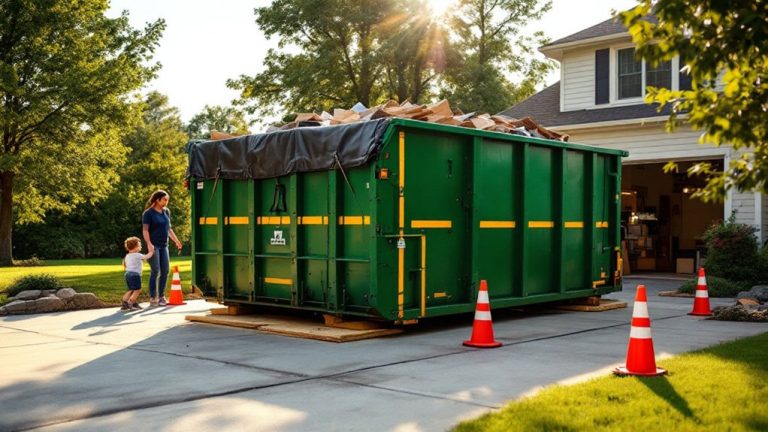
- Rent a dumpster and keep it on your driveway to contain debris without disrupting your living space, as driveway placement is typically the required and permit-free option in HOA-governed communities like Highlands Ranch.
- For full home renovations generating heavy volumes of mixed debris, a 20 yard dumpster provides enough capacity for bulky materials like roofing, drywall, and construction waste without requiring multiple swaps mid-project.
Frequently Asked Questions
What Is the 30% Rule for Renovations?
The 30% rule means you shouldn’t spend more than 30% of your home’s value on renovations. It’s your budget buffer against scope creep, keeping investments aligned with return potential so you’re maximizing every innovative upgrade strategically.
What Is the Ultimate Checklist for Home Renovation?
Start by defining your design priorities, then set a budget with contingencies of 10–30%. Vet your team, secure permits, plan material sourcing early, map a phased timeline, and finish with a punch-list sign-off.
What Is the Most Expensive Part of a House to Remodel?
You’ll find structural repairs hit your wallet hardest. Foundation stabilization and roof replacement can drain budgets fast, but kitchen overhauls and whole-home mechanical upgrades also push renovation costs into transformative, innovation-driven territory you shouldn’t underestimate.
Conclusion
You’ve got everything you need to tackle this renovation with confidence. Start with your budget, nail down your permits, and line up your contractors in the right order. And whatever you do, don’t let waste disposal catch you off guard — it sneaks up faster than most homeowners expect. Before demo day arrives, get your dumpster rental locked in so debris has somewhere to go the moment work begins.
TNR Waste Services makes that part easy with fast, reliable dumpster rentals across Central Colorado’s Front Range. Figure out your livability plan, prep your timeline, and let the pros handle the haul-away. It won’t be perfect, but you’re prepared. That’s what separates a successful renovation from a costly disaster. Ready to check one more thing off your list? Book online, call or text TNR Waste Services to reserve your dumpster rental before your project kicks off.