Remodeling a Home in a Historic District: Waste and Permitting Considerations
Estimated reading time: 7 minutes
I learned this the hard way: before you touch your historic home’s exterior in Denver, Littleton, or Castle Rock, you’ll likely need design review approval. Then there’s the hidden stuff. Under my 1910s kitchen linoleum? Asbestos tiles. Colorado law requires professional testing and licensed abatement on pre-1980 homes, and you can’t toss asbestos in a standard dumpster. You’re legally responsible for it. Here’s how to plan permits, testing, salvage, and dumpster placement without nasty surprises.
Key Takeaways
- Exterior work in historic districts often requires design review, and dumpster placement may need Historic Preservation Commission approval.
- Colorado law requires professional hazardous materials testing before demolishing pre-1980 structures, which commonly contain asbestos and lead paint.
- Asbestos is prohibited in standard roll-off dumpsters, and the generator is legally responsible for prohibited materials under the Colorado Solid Waste Act.
- Salvaging original hardwood, period fixtures, and antique hardware for resale or donation reduces dumpster volume and disposal costs.
- Dumpsters placed on narrow streets may need permits, and roll-offs typically need 60 feet of length and 10.5 feet of width.
What Defines a Historic District in Colorado’s Front Range Cities
When I bought my 1910s bungalow, I didn’t think much about the words “historic district.” To me, it just meant pretty porches and old trees. Older homes like mine often sit on stamped concrete or paver driveways, which need plywood under every contact point before a heavy steel container arrives.
Then I started planning my historic district home renovation in Colorado, and reality hit. Castle Rock, Littleton, and several Denver suburbs have designated districts with design review rules. That means any exterior work needs a look first. Even your dumpster placement might need Historic Preservation Commission approval. Seriously, I thought, a trash container? Normally, a dumpster placement permit usually isn’t required when the container sits in your driveway, but historic district rules can change that. So before your Castle Rock historic district renovation begins, ask about Colorado historic home remodel permits. Trust me, it’ll save weeks.
Hazardous Materials Common in Pre-1980 Historic Homes
Old houses almost always hide a few surprises, and mine had plenty. Two weeks into my historic preservation renovation in CO, I pulled up kitchen linoleum and found asbestos floor tiles.
Then came lead paint on every window trim, asbestos wrapping the basement pipes, and knob-and-tube wiring snaking through the attic. Was I in over my head? Maybe. But here’s what you need to know: if your home predates 1980, expect these. Colorado law mandates professional hazardous materials testing before demolition begins on pre-1980 structures, so skipping this step can bring fines, health hazards, and legal consequences.
Each one needs licensed abatement before demo starts. Plan remodeling historic home waste disposal early, because old home renovation debris isn’t ordinary trash. Asbestos is prohibited in standard roll-off dumpsters, and the Colorado Solid Waste Act places legal responsibility for prohibited materials directly on the generator, which means you. Test first, then swing.
Your dumpster. Delivered fast. No surprises on the bill.
Flat-rate pricing from $319. Same-day delivery is often possible across Douglas and Arapahoe Counties.
Book online in under 2 minutes — or call/text and we’ll handle the rest.
Thousands of Front Range homeowners and contractors have trusted TNR Waste Services because we show up when we say we will — and charge exactly what we quoted. Pick your size, choose your date, and get back to your project.
Takes less than 2 minutes. No Credit card required to reserve.
How to Dispose of Historic Building Materials Responsibly
Tossing everything into a dumpster felt like the easy answer once the abatement crew finished. After all, a 15-yard dumpster holds roughly six pickup trucks of debris, so it seemed big enough to swallow the whole job.
Then I knelt on that oak floor in our 1912 bungalow and stopped. Was I really trashing a hundred years? You’ll face that moment too. Here’s what I learned. Original hardwood, old-growth lumber, period fixtures, and antique hardware often carry real resale or reuse value. So I pried up boards carefully, labeled every brass knob, and called two architectural salvage shops. Habitat ReStore took the rest. Whatever couldn’t be donated, like scrap wood and metal, I sorted for recycling per Colorado regulations before it ever touched the dumpster. My dumpster bill shrank. My pride grew. You’re not just remodeling, you’re passing history forward, piece by piece.
Coordinating Dumpster Placement in Tight Historic Neighborhoods
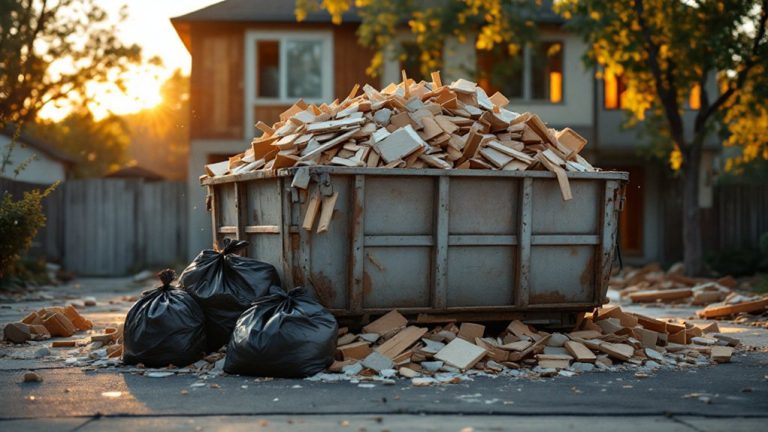
Figuring out where to park a 20-yard dumpster turned out to be harder than tearing out our kitchen. Our street’s barely wider than a pickup, and the neighbors’ porches almost touch ours. Since our only option was the street, we learned that public street placement requires a local placement permit, while dumpsters on private property typically don’t need one.
I stood on the curb at 7 a.m., thinking, “Where does this thing even go?” That’s when I called TNR. They walked the block with me and suggested smart fixes you’ll want too:
- Measure clearances before delivery day
- Ask about smaller containers for tight spots
- Plan placement around trees and porches
Typical roll-off access needs at least 60 feet of clear length, 10.5 feet of width, and 25–30 feet of vertical clearance to avoid overhead obstructions like branches and wires. You don’t have to guess. Get experts early. Trust me, your sanity will thank you.
Frequently Asked Questions
Yes, you can modify a historic home, but you’ll need a Certificate of Appropriateness for visible exterior changes. You’ve got more freedom inside, so innovate there, and choose approved materials outside to avoid costly delays.
The 30% rule caps exterior changes: if you alter more than 30% of your building’s exterior within a set period, you’ll trigger full historic review. Track cumulative work early so your bold upgrades don’t stall.
You’ll face costly permit surcharges, months-long reviews, and bans on modern materials like vinyl windows or steel doors. Guidelines restrict street-facing changes, so you can’t freely innovate, and skipping approvals risks stop-work orders halting progress.
Often, yes. Historic rules shrink your buyer pool and slow sales, but you’ll flip that script fast: savvy investors chase 20–25% tax credits, and smart, approved restorations you deliver can dramatically multiply your home’s value.
Conclusion
I remember standing on my porch in Denver’s Highlands, permit in hand, feeling like I’d finally earned my keys. You’ll get there too. Test for lead and asbestos first. Save those leaded windows and trim for salvage. Ask your city before a dumpster lands on that narrow street, and once you’ve got the green light, let TNR Waste Services handle the rest. Their dumpster rental services keep tight historic blocks clear and your project on schedule. Is it slow? Sometimes, yes. But you’re protecting a story that’s lasted a century. Bring in experienced pros early, and you’ll keep your history, budget, and sanity intact. TNR Waste Services offers fast, reliable dumpster rentals across Central Colorado’s Front Range. Reserve yours online, or give them a call or text today to get your dumpster delivered.